


- New
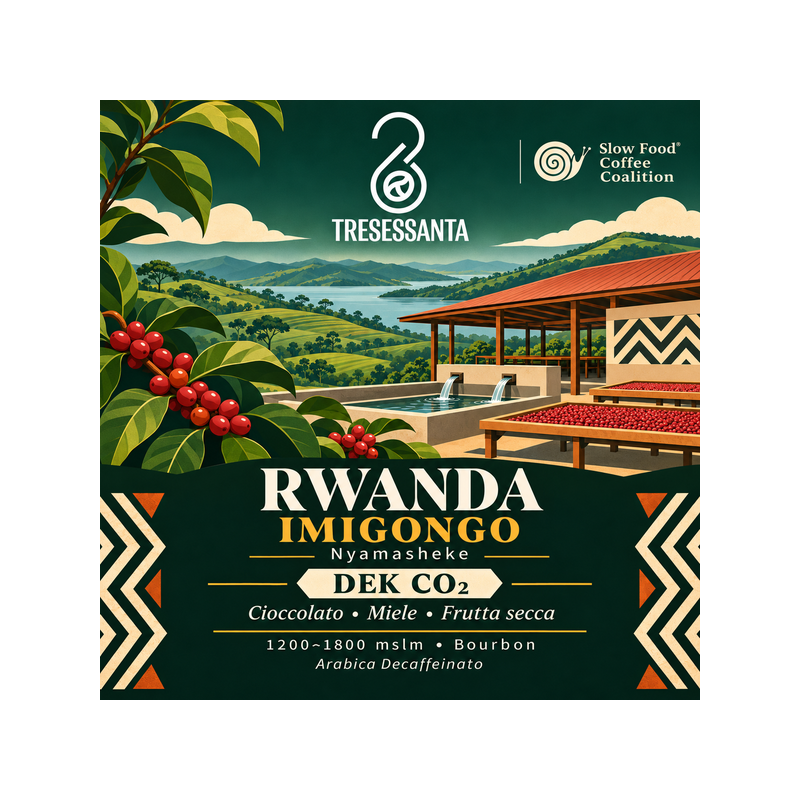












Rwanda Imigongo is a specialty decaf coffee made from 100% Bourbon Arabica, grown at 1,200–1,800 metres in Rwanda. Farmers pick the ripe cherries by hand before the beans undergo washed processing. The green coffee is then treated with CO₂ to remove caffeine while aiming to preserve its flavour. This decaf offers notes of chocolate, honey and nuts, with a sweet and balanced taste. Carefully selected and artisan-roasted by Tresessanta Coffee Roaster.
Rwanda Imigongo is a specialty decaf coffee from the green hills of Rwanda. It starts with Bourbon Arabica beans. First, farmers grow and pick ripe coffee cherries with care. Then, the beans go through a washed process. After that, CO₂ helps remove most of the caffeine. The result is a sweet cup with notes of chocolate, honey and nuts. Yet its taste still tells the story of its home.
Rwanda is known as the Land of a Thousand Hills. Its green slopes hold farms, fields and small villages. Coffee helps many families earn a living here. Imigongo comes from land about 1,200 to 1,800 metres above sea level. At this height, the weather helps the fruit grow and ripen. Each harvest also depends on the work of local growers. So the land and the people both shape the beans.
Bourbon is a type of Arabica with a long history in Rwanda. It can give a sweet and rich cup. Still, the final taste depends on the farm and the harvest. Good soil and care are important. So is the way the cherries are picked and dried. For this reason, good decaf must start with good green coffee. Later steps can then protect the value of that work.
The name Imigongo comes from a form of art in Rwanda. It uses bold lines and shapes to form striking patterns. These designs are part of local life and culture. In this way, the name links the coffee to its place of origin. A bag of beans can tell more than a story about flavour. It can also bring a small part of Rwanda into your home.
The work starts when farmers pick the ripe cherries. First, the fruit is sorted with care. Next, the pulp is taken off the beans. The coffee then goes through a washed process. Water helps remove the fruit left on the beans. After this, the coffee is dried and made ready for the next stage. Each step helps keep the taste clean and clear.
Rwanda Imigongo is treated before it is roasted. At this point, the beans are still green. The goal is to reduce caffeine but keep the coffee's own taste. However, no process can turn poor raw beans into fine coffee. That is why the choice of Bourbon Arabica matters so much. Care at the farm is just as vital as care during the decaf stage.
The CO₂ method uses carbon dioxide under set pressure. First, water helps prepare the green beans. Then, pressurised CO₂ is used to draw out caffeine. Next, the caffeine is separated from the process stream. The beans are then made ready for drying and roasting. This method aims to keep much of the coffee's aroma. As a result, the cup can stay sweet and full of character.
Decaf does not mean that all taste is lost. Nor does it mean that every trace of caffeine is gone. The CO₂ process removes most of it, not all of it. Even so, the beans can keep a rich and pleasant taste. This is why Rwanda Imigongo is more than a low-caffeine choice. It is a specialty coffee that has its own story.
In the cup, Rwanda Imigongo shows notes of chocolate, honey and nuts. Chocolate gives a warm and rich touch. Honey adds a soft sense of sweetness. Meanwhile, the nutty notes bring more depth. These tastes work well together. So the final cup feels sweet and balanced. Imigongo is a good choice when you want less caffeine but still want real coffee flavour.
Each stage adds to the final result. The Bourbon plants grow in the hills of Rwanda. Farmers select the fruit with care. Next, washed processing helps shape the taste. The CO₂ stage then lowers the caffeine level. Finally, roasting brings out the aroma in the beans. No single step can do the whole job. Instead, quality comes from care at every stage.
Whole beans give you more choice at home. You can grind them for a moka pot, an espresso machine or a filter brewer. Also, grinding just before use helps keep the fresh aroma. A fine grind and a coarse grind will brew in different ways. For that reason, choose the grind that suits your gear. This is true for decaf as well as for regular coffee.
Good storage matters too. Close the bag well after each use. Then, keep it away from heat, light and damp places. These simple steps help slow the loss of aroma. Also, try to grind only what you need. That way, the beans stay fresh for your next cup. With Imigongo, a little care helps each brew taste its best.
At Tresessanta Coffee Roaster, we roast Rwanda Imigongo with care. Our aim is to bring out its sweet taste and rich aroma. We treat decaf with the same care as our other specialty coffees. The roast should suit the beans, not hide their character. For more on the method, read the Specialty Coffee Association guide to decaf. It explains how coffee can lose caffeine while still keeping much of its taste.
Choosing Rwanda Imigongo means enjoying a specialty decaf with a clear sense of place. It brings together Bourbon Arabica, washed coffee and CO₂ treatment. The cup has notes of chocolate, honey and nuts. Yet it contains far less caffeine than regular coffee. So you can enjoy its taste at many times of day. You can also explore our specialty coffee selection to find more coffees and their stories.
| Format | Coffee Beans |
| Quantity | 200 grammi |
| Punteggio Sca | 84 |
| Finca | San Juan |
| Species | 100% Arabic |
| Country | Rwanda |
| Regione | Nyamasheke |
| Altitude | 1200–1800 Mslm |
| Cultivation | Shadow |
| Variety | Bourbon |
| Raccolta | Picking |
| Process | Dek Co2 |
| Flavour | Chocolate Dried fruit Honey |

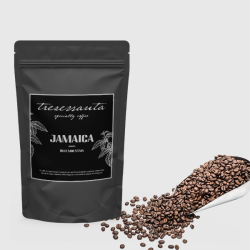


Rwanda Imigongo is a specialty decaf coffee made from 100% Bourbon Arabica, grown at 1,200–1,800 metres in Rwanda. Farmers pick the ripe cherries by hand before the beans undergo washed processing. The green coffee is then treated with CO₂ to remove caffeine while aiming to preserve its flavour. This decaf offers notes of chocolate, honey and nuts, with a sweet and balanced taste. Carefully selected and artisan-roasted by Tresessanta Coffee Roaster.