

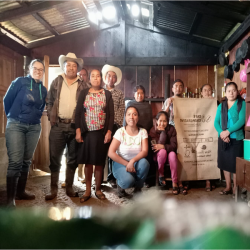














Coffee, chocolate and cream in a small glass: the story of the Bicerin, Turin's historic coffee houses and the city...

-
- I PIÙ VENDUTI MACINATI
- I PIÙ VENDUTI GRANI
-
- I più venduti i grani

- I più venduti macinati
-
- I più venduti i grani
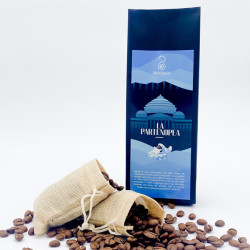 La Partenopea€7.00
- I più venduti macinati
 La Partenopea€7.00
-
Search in blog
Blog categories
Latest posts

The Bicerin and the Historic Coffee Houses of Turin
Read more
Water Is 90% of Your Espresso: Do You Know What You Are Serving? Read more
Hardness, limescale, chlorine and minerals: how water changes the taste of espresso and the life of the machine, and...
Mistakes That Ruin Café Espresso (Even With an Excellent Blend) Read more
Grinder, dose, cleaning, water and service pace: the most common mistakes that ruin café espresso and how to fix them...

Freshly Roasted Coffee: How Many Days Until It Is Ready? Read more
Freshly roasted coffee is not at its best straight away. What resting is, how many days to wait for moka, espresso...
Light, Medium or Dark Roast: What Changes in the Coffee? Read more
Acidity, sweetness, bitterness, body and caffeine: what happens to the bean during roasting and which roast to choose...
Featured posts

Swiss Water, CO₂ or Dichloromethane Decaf: What Changes?
How is caffeine removed from coffee? Water, CO₂ and solvents compared: how they work, what remains in the bean and...
Read more
How to Make Moka Pot Coffee: The Complete Guide
Dose, grind size, water and heat: everything you need for a sweet, aromatic moka pot coffee that never tastes burnt...
Read more
Whole Bean or Ground Coffee: Which Is Better to Buy?
Whole bean or ground? Pros and cons, how long the aroma lasts, when a grinder is worth it and how to choose the right...
Read more
What Is Specialty Coffee and Why Choose It?
Origins, quality, traceability and flavour: discover what specialty coffee means and how to choose your first coffee...
Read more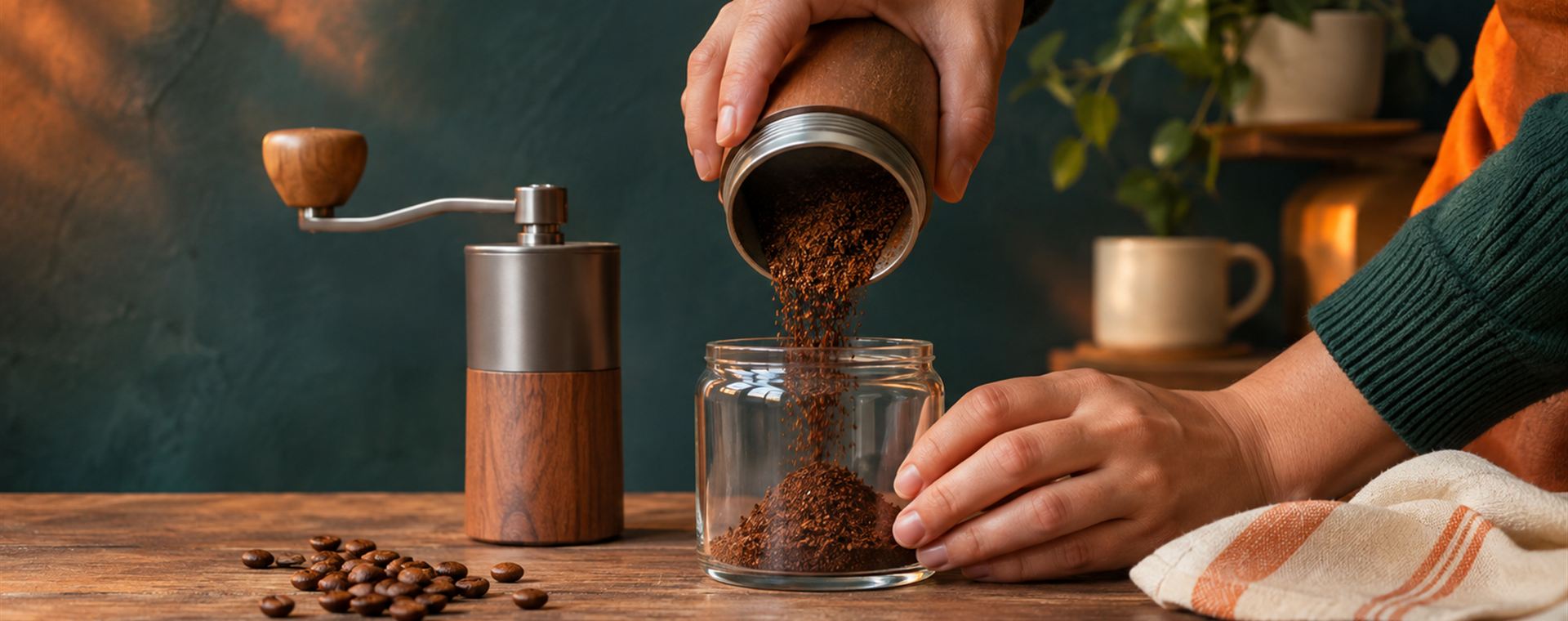
Coffee Grind Size: Which One for Moka, Espresso and Filter
The same coffee can be sweet and aromatic or bitter and flat. Often one thing makes the difference: the grind. It is the most important setting after choosing the coffee, and the most underrated.
Why grind size matters so much
Grinding increases the surface of coffee in contact with water. The finer the grounds, the faster water extracts aromas and compounds; the coarser, the slower the extraction.
Every brewing method takes a different amount of time: espresso lasts under half a minute, a V60 about three minutes, a French press four. That is why each method needs a different grind. Too fine for the method, and coffee tastes bitter; too coarse, and it tastes sour and watery. We cover this in our article on bitter or sour coffee.
Grind size chart
| Method | Grind | Feels like |
|---|---|---|
| Espresso | Fine | Flour, but still slightly gritty |
| Moka pot | Medium-fine | Fine table salt |
| Neapolitan flip pot | Medium | Granulated sugar |
| V60 and filter | Medium | Fine sand |
| Chemex | Medium-coarse | Coarse sand |
| French press and cold brew | Coarse | Coarse sea salt |
These are starting points. Every grinder has its own scale and every coffee behaves slightly differently: a light roast, for example, often needs a slightly finer grind than a dark one.
Moka pot: medium-fine, never espresso
This is the most common mistake. Espresso grind is too fine for a moka pot: water struggles through, pressure rises, the pot sputters and the coffee tastes burnt. A moka pot needs slightly coarser grounds that let water flow evenly. You will find doses and steps in our moka pot guide.
Espresso: the most delicate setting
With espresso, a single click on the grinder can change extraction time by several seconds. The starting target is a 25–30 second extraction. If coffee runs too fast, grind finer; if it drips, grind coarser. For espresso, a dedicated grinder makes a big difference.
Neapolitan flip pot: in between
The Neapolitan pot works by gravity, without pressure. It needs a medium grind, coarser than moka: too fine, and water gets stuck in the filter. If you use a Neapolitan coffee maker, try our Swiss Water decaf ground for Neapolitan.
Filter and V60: watch the time
With a V60 you adjust the grind by watching total brew time, around 2:30–3:30 minutes for a 250 ml cup. If water drains too quickly, grind finer; if it pools, grind coarser. To start without a grinder, choose a coffee already ground for filter, such as Mexico Nahua ground for V60.
Blade or burr grinder?
- Blade grinders chop coffee unevenly, producing fine dust and large chunks together. The result is uneven extraction: bitter and sour in the same cup.
- Burr grinders cut coffee between two surfaces set at a precise, adjustable distance. The grounds are uniform and the cup is cleaner.
A good manual burr grinder, such as the Comandante C40, lets you move from moka to filter in a few clicks and lasts for many years.
Grind fresh or buy ground?
Ground coffee quickly loses its most volatile aromas: after just a few minutes the fragrance fades. Grinding just before brewing gives the most aromatic cup. If you do not have a grinder, pre-ground coffee is perfectly fine, on two conditions: it must be ground for your method and stored well, in an airtight container, and used within a couple of weeks of opening.
That is why our coffees are available as whole beans and ground for moka, espresso, Neapolitan and filter: for example Ethiopia Nensebo Washed ground for moka.
Frequently asked questions
Can I use espresso grind in a moka pot?
You can, but the result tends to be bitter and the pot struggles. If espresso grind is all you have, fill the basket without tamping and use very low heat.
How do I know where to set my grinder?
Start from the manufacturer's suggested setting for your method, brew and taste. If it is sour, grind finer; if it is bitter, coarser. Change a few clicks at a time.
How often should a grinder be cleaned?
For a home grinder, a quick brush every week or two and a more thorough burr clean every month or two is enough, following the manufacturer's instructions. Old coffee residue makes the cup taste rancid.
Does grind size change with the roast?
Yes. Light roasts are harder and less soluble and often need a finer grind; dark roasts the opposite.
Is moka grind suitable for a Neapolitan flip pot?
It is slightly too fine: it can clog the Neapolitan filter. Better to use coffee ground specifically for Neapolitan, a little coarser.
In short
The faster the method, the finer the grind: fine for espresso, medium-fine for moka, medium for Neapolitan and filter, coarse for French press. If coffee is bitter, go coarser; if it is sour, go finer. And if you can, grind fresh.
Posted in: Coffee Brewing Guides
Related posts
 Whole Bean or Ground Coffee: Which Is Better to Buy?
Whole bean or ground? Pros and cons, how long the aroma lasts, when a grinder is worth it and how to choose the right...
Read more How to Make Moka Pot Coffee: The Complete GuideDose, grind size, water and heat: everything you need for a sweet, aromatic moka pot coffee that never tastes burnt...
Read more Coffee Too Bitter or Too Sour? Causes and FixesBitter, sour, burnt or watery: how to tell what is wrong with your cup and which setting to change, for moka pot,...
Read more How to Store Coffee and Keep Its AromaJar, fridge or freezer? Where and how to store whole bean and ground coffee, and how long it really stays good after...
Read more Mistakes That Ruin Café Espresso (Even With an Excellent Blend)Grinder, dose, cleaning, water and service pace: the most common mistakes that ruin café espresso and how to fix them...
Read more