

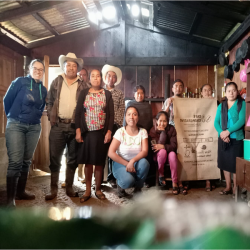














Coffee, chocolate and cream in a small glass: the story of the Bicerin, Turin's historic coffee houses and the city...

-
- I PIÙ VENDUTI MACINATI
- I PIÙ VENDUTI GRANI
-
- I più venduti i grani

- I più venduti macinati
-
- I più venduti i grani
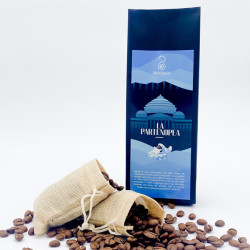 La Partenopea€7.00
- I più venduti macinati
 La Partenopea€7.00
-
Search in blog
Blog categories
Latest posts
The Bicerin and the Historic Coffee Houses of Turin
Read more

Water Is 90% of Your Espresso: Do You Know What You Are Serving? Read more
Hardness, limescale, chlorine and minerals: how water changes the taste of espresso and the life of the machine, and...
Mistakes That Ruin Café Espresso (Even With an Excellent Blend) Read more
Grinder, dose, cleaning, water and service pace: the most common mistakes that ruin café espresso and how to fix them...

Freshly Roasted Coffee: How Many Days Until It Is Ready? Read more
Freshly roasted coffee is not at its best straight away. What resting is, how many days to wait for moka, espresso...
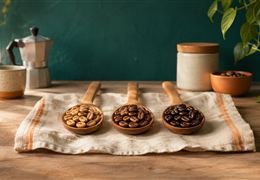
Light, Medium or Dark Roast: What Changes in the Coffee? Read more
Acidity, sweetness, bitterness, body and caffeine: what happens to the bean during roasting and which roast to choose...
Featured posts

Swiss Water, CO₂ or Dichloromethane Decaf: What Changes?
How is caffeine removed from coffee? Water, CO₂ and solvents compared: how they work, what remains in the bean and...
Read more
How to Make Moka Pot Coffee: The Complete Guide
Dose, grind size, water and heat: everything you need for a sweet, aromatic moka pot coffee that never tastes burnt...
Read more
Whole Bean or Ground Coffee: Which Is Better to Buy?
Whole bean or ground? Pros and cons, how long the aroma lasts, when a grinder is worth it and how to choose the right...
Read more
What Is Specialty Coffee and Why Choose It?
Origins, quality, traceability and flavour: discover what specialty coffee means and how to choose your first coffee...
Read more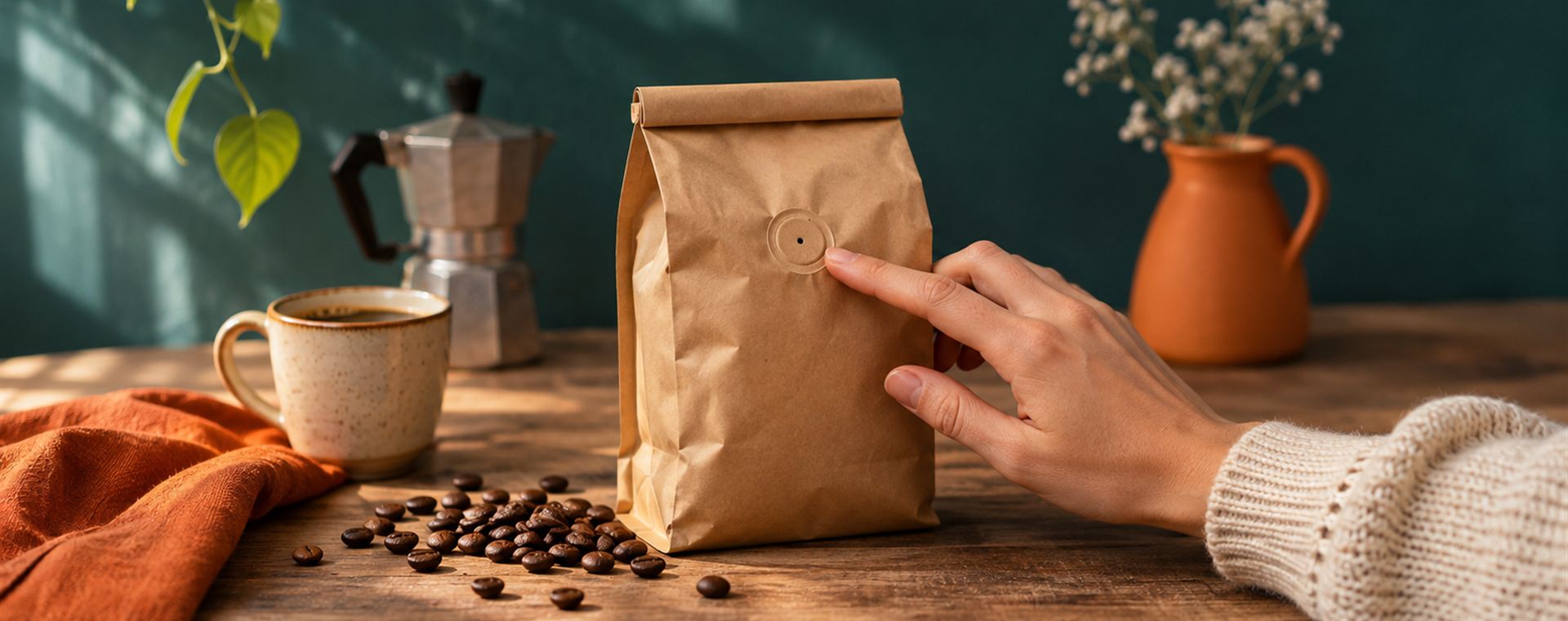
Freshly Roasted Coffee: How Many Days Until It Is Ready?
"The fresher, the better." That is true for coffee, with one exception that surprises many people: coffee roasted just a few hours ago is not yet at its best. It needs a few days of rest before expressing all its aromas. Let's see why, and how long to wait.
Why coffee needs to rest
During roasting, a large amount of carbon dioxide (CO₂) forms inside the bean. Over the following days this gas slowly escapes: the process is called degassing.
If you brew too soon, the remaining CO₂ interferes with extraction:
- in espresso it creates abundant but unstable crema full of bubbles, and extraction is uneven;
- in filter brewing the coffee swells a lot and water struggles to wet all the grounds evenly;
- in the cup the taste can be flat, sometimes with sharp or "fizzy" notes.
After a few days the gas decreases, extraction becomes more even and the aromas settle.
What the valve on the bag is for
Notice the small round hole on coffee bags? It is a one-way valve: it lets CO₂ out without letting oxygen in. Without it, a bag of freshly roasted coffee would puff up. If you press it gently and smell coffee, that is the gas escaping.
How many days to wait
Timing depends on the method and the roast. As a starting point:
| Method | Recommended rest after roasting | At its best until about |
|---|---|---|
| Filter and V60 | 3–7 days | 4–5 weeks |
| Moka pot | 5–7 days | 4–6 weeks |
| Espresso | 7–14 days | 5–6 weeks |
Light roasts, which are denser, tend to need a slightly longer rest; dark roasts degas faster and peak sooner, but also fade sooner.
These are guidelines: coffee does not go bad afterwards, but gradually loses aroma and sweetness. Once the bag is open, time runs faster. To make it last, read how to store coffee.
A practical example
Imagine receiving a coffee roasted on a Monday. For a moka pot you can start drinking it the following weekend, and it will be at its best throughout the next month. For espresso, it is worth waiting at least until the following Monday: in the first days the crema will be abundant but the flavour still undefined. Write the roast date on the bag or jar: you will always know at a glance where your coffee stands.
The roast date matters more than the expiry date
Coffee bags almost always show an expiry date, often a year or more away. That date tells you how long the coffee is safe, not how long it is good.
The most useful information is the roast date. It tells you:
- whether the coffee has rested long enough;
- how long it will stay at its best.
Coffee roasted two weeks ago is perfect for espresso. Coffee roasted six months ago, even if not expired, has already lost most of its aroma.
What if the coffee arrives "too fresh"?
No problem: just wait a few days, keeping it sealed in its valve bag in a cool, dry place. If you do not want to wait, use it in a moka pot or filter, which are more forgiving than espresso.
Ground coffee rests differently
When coffee is ground, CO₂ escapes much faster, together with part of the aroma. That is why ground coffee does not need a long rest, but should be used more quickly after opening: usually within one or two weeks. We cover this in whole bean or ground coffee.
Frequently asked questions
Is freshly roasted coffee bad for you?
No, it is just less pleasant to drink straight away. The gas interferes with extraction but has no health effects.
How can I tell if coffee has rested enough?
With espresso you can see it in the crema: if it is very abundant, pale and full of bubbles that burst quickly, the coffee is still too fresh. With filter, if the grounds swell enormously during the bloom, the same applies.
Where do I find the roast date?
It is usually printed or handwritten on the bag, near the lot number. If you cannot find it, ask your coffee seller.
Is coffee roasted two months ago only fit for the bin?
No: it is safe to drink. It will have lost some aroma and sweetness, especially if the bag has been opened. Use it in a moka pot, which is more forgiving.
Does coffee keep improving if I leave it sealed for a long time?
Up to a point. After the initial rest it reaches its peak and then slowly starts to lose aroma, even in a sealed bag.
In short
Freshly roasted coffee needs a few days to release CO₂: about a week for moka and filter, one to two weeks for espresso. Then it stays at its best for several weeks. When choosing a coffee, check the roast date: it is the simplest way to know how fresh it is. You will find our coffees, roasted in Turin, as whole beans and ground for moka.
Posted in: Coffee Roasting and Tresessanta
Related posts
 How to Store Coffee and Keep Its Aroma
Jar, fridge or freezer? Where and how to store whole bean and ground coffee, and how long it really stays good after...
Read more Light, Medium or Dark Roast: What Changes in the Coffee?Acidity, sweetness, bitterness, body and caffeine: what happens to the bean during roasting and which roast to choose...
Read more