





















Ethiopia Nensebo is a specialty coffee grown at 1,800–2,400 metres in Oromia. This washed lot comes from producer Kasim Negeso and the Getu Adola Washing Station. First, the coffee undergoes 32–36 hours of fermentation. Then, the beans dry on raised beds. Nensebo offers notes of peach, clementine, jasmine, honey and ginger. This Nensebo selection has a reported score of 88.25. We roast the beans to order, with care for their bright and floral character.
Ethiopia Nensebo is a washed specialty coffee with a bright, floral taste. It grows in Nensebo, within the Oromia region of Ethiopia. Here, Arabica plants thrive at 1,800 to 2,400 metres. Farmers pick ripe cherries with care. Then, the coffee goes through a washed process. This lot has 32 to 36 hours of fermentation. After that, the beans dry on raised beds. The final cup offers peach, clementine, jasmine, honey and ginger.
Nensebo lies in the West Arsi Zone. Green hills and forests shape its landscape. The area also has soils of volcanic origin. At these heights, the climate affects how coffee cherries grow. However, good land alone cannot make great coffee. Farmers need skill and care at every stage. For this reason, the harvest plays an important role. The quality of the fruit sets the basis for the final cup.
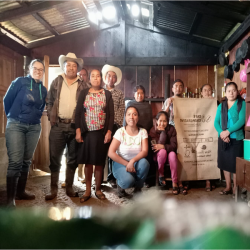
Producer Kasim Negeso works in the Chiri Kebele area. His farm is in the Nensebo district. The lot information describes a farm of about 17 hectares. Coffee growing there began in 2017. Since then, careful farming has remained important. Workers select ripe cherries before processing. This helps provide good raw coffee for the next stage. Each harvest reflects the work done on the farm.
Ethiopia has a special place in the history of Arabica coffee. Its growing regions offer a wide range of tastes. Some coffees show ripe fruit and citrus notes. Others bring flowers, spice and soft sweetness. Nensebo belongs to this rich coffee tradition. Yet it also has its own clear character. Floral aromas meet bright fruit notes in the cup. As a result, the coffee feels lively and elegant.
The harvest is the first key stage. Farmers pick ripe cherries and prepare them for processing. Next, the coffee goes to the Getu Adola Washing Station. Here, the team starts the washed process. First, the pulp is removed from the beans. Then, fermentation helps break down the remaining mucilage. For this lot, the stage lasts around 32 to 36 hours. Finally, washing prepares the beans for drying.
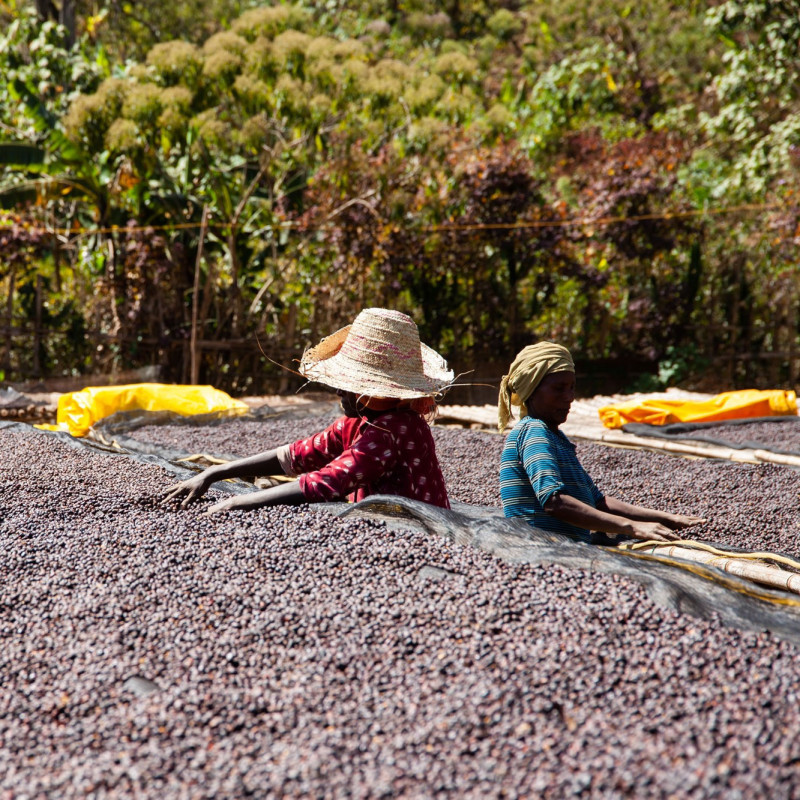
After washing, the coffee moves to raised beds. Air can pass around the beans as they dry. Workers also turn the coffee to support even drying. This stage takes about 10 to 14 days. However, the weather can change the time needed. Care and checks remain important throughout the process. Good drying helps prepare the green coffee for the next steps.
Washed processing can help create a clean and bright cup. Still, the process is not the only factor. The fruit, the harvest and the drying matter too. With Ethiopia Nensebo, these stages shape a floral profile. Its sweetness works well with its lively fruit notes. So the final cup feels fresh and balanced. You can explore this character through different brewing methods.
The aroma gives the first clue to the taste. Jasmine brings a soft floral note. Cherry blossom adds another delicate touch. Then, the fruit notes begin to appear. Peach gives the cup a sweet and smooth feel. Clementine adds a bright citrus tone. Also, honey brings gentle sweetness. A hint of ginger gives the profile more depth. Each note adds something to the final experience.
In the cup, Ethiopia Nensebo feels lively and clear. The acidity adds freshness without hiding the sweetness. Meanwhile, the body gives the flavours a pleasant base. Peach and clementine can stand out as the coffee cools. The floral notes may also become easier to notice. For this reason, take your time with each cup. Small changes in temperature can reveal new details.
This lot has a reported cupping score of 88.25. The score reflects the evaluation stated for the coffee. Yet a number cannot describe every part of the experience. Freshness and brewing make a difference too. Grind size affects how water extracts flavour. Water quality also plays a role. So the final taste depends on more than the beans alone.
Whole beans give you more control at home. First, choose a grinder that suits your brewer. Then, grind only the amount you need. Fresh grinding helps limit aroma loss before brewing. You can also change the grind size for each method. This makes Nensebo a flexible choice. It works well for people who enjoy trying new recipes. The roast selection also helps shape the final result.
Filter brewing can bring out the floral side of this coffee. You may use a V60, Chemex or Kalita brewer. Start with good water and a suitable grind size. Next, follow the steps for your device. A steady flow helps you control the brew. However, every filter brewer works in its own way. Small changes may bring out more sweetness or brightness. With care, the cup can feel light and clear.
Espresso offers a different way to enjoy the same coffee. Here, the flavours come together in a small cup. Peach and honey can add a sweet touch. Meanwhile, clementine may bring a lively finish. Jasmine and ginger can add more depth. Yet the result depends on dose, grind and water temperature. So make small changes when needed. A good recipe seeks balance between sweetness, acidity and body.
At Tresessanta Coffee Roaster, we roast each lot with care. Our aim is to show the character of the green beans. First, we consider the coffee's natural taste. Then, we choose a roast that suits the brewing goal. During roasting, we monitor the process closely. We want the fruit and floral notes to stay clear. For this reason, we do not treat every coffee in the same way. We also roast to order for freshness.
Storage matters after roasting. Keep the bag closed between uses. Then, place it away from heat, light and damp areas. Try to grind the coffee just before brewing. This helps limit the loss of aroma. Also, keep your grinder clean and well adjusted. Good habits make it easier to enjoy the coffee. Small details can improve each cup.
Coffee processing involves many steps before roasting. Farmers first grow and pick ripe fruit. Next, processing removes the fruit layers around the beans. Drying then prepares the green coffee for storage. Each step has its own role. To learn more, read the Specialty Coffee Association article on the journey from coffee cherry to cup. It explains how much work goes into coffee production.
Choosing Ethiopia Nensebo means enjoying a specialty coffee with a clear sense of place. This washed lot brings together careful farming and skilled processing. Its cup offers peach, clementine, jasmine, honey and ginger. Also, whole beans let you choose your own grind. So you can explore different ways to enjoy the coffee. Visit our specialty coffee beans selection to discover more coffees and their stories.
| Format | Coffee Beans |
| Quantity | 200 grammi |
| Punteggio Sca | 88,25 |
| Produttore | Kasim Nesego, Yusra Aman |
| Cooperative | Getu Adola milling station |
| Country | Ethiopia |
| Regione | Oromia,West Arsi Nensebo Nensebo Woreda |
| Land | Hilly on volcanic soil |
| Variety | Sidamo |
| Raccolta | Picking |
| Process | Washed |
| Flavour | Peach Cherry blossoms Clementine Ginger Honey Jasmine |




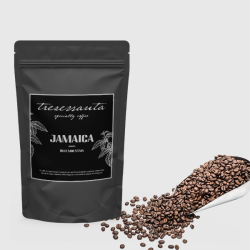





Ethiopia Nensebo is a specialty coffee grown at 1,800–2,400 metres in Oromia. This washed lot comes from producer Kasim Negeso and the Getu Adola Washing Station. First, the coffee undergoes 32–36 hours of fermentation. Then, the beans dry on raised beds. Nensebo offers notes of peach, clementine, jasmine, honey and ginger. This Nensebo selection has a reported score of 88.25. We roast the beans to order, with care for their bright and floral character.