












Coffee, chocolate and cream in a small glass: the story of the Bicerin, Turin's historic coffee houses and the city...
-
- I PIÙ VENDUTI MACINATI
- I PIÙ VENDUTI GRANI
-
- I più venduti i grani

- I più venduti macinati
-
- I più venduti i grani
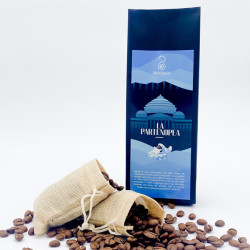 La Partenopea€7.00
- I più venduti macinati
 La Partenopea€7.00
-
Search in blog
Blog categories
Latest posts
The Bicerin and the Historic Coffee Houses of Turin
Read more
Water Is 90% of Your Espresso: Do You Know What You Are Serving? Read more
Hardness, limescale, chlorine and minerals: how water changes the taste of espresso and the life of the machine, and...
Mistakes That Ruin Café Espresso (Even With an Excellent Blend) Read more
Grinder, dose, cleaning, water and service pace: the most common mistakes that ruin café espresso and how to fix them...
Freshly Roasted Coffee: How Many Days Until It Is Ready? Read more
Freshly roasted coffee is not at its best straight away. What resting is, how many days to wait for moka, espresso...
Light, Medium or Dark Roast: What Changes in the Coffee? Read more
Acidity, sweetness, bitterness, body and caffeine: what happens to the bean during roasting and which roast to choose...
Featured posts

Swiss Water, CO₂ or Dichloromethane Decaf: What Changes?
How is caffeine removed from coffee? Water, CO₂ and solvents compared: how they work, what remains in the bean and...
Read more
How to Make Moka Pot Coffee: The Complete Guide
Dose, grind size, water and heat: everything you need for a sweet, aromatic moka pot coffee that never tastes burnt...
Read more
Whole Bean or Ground Coffee: Which Is Better to Buy?
Whole bean or ground? Pros and cons, how long the aroma lasts, when a grinder is worth it and how to choose the right...
Read more
What Is Specialty Coffee and Why Choose It?
Origins, quality, traceability and flavour: discover what specialty coffee means and how to choose your first coffee...
Read more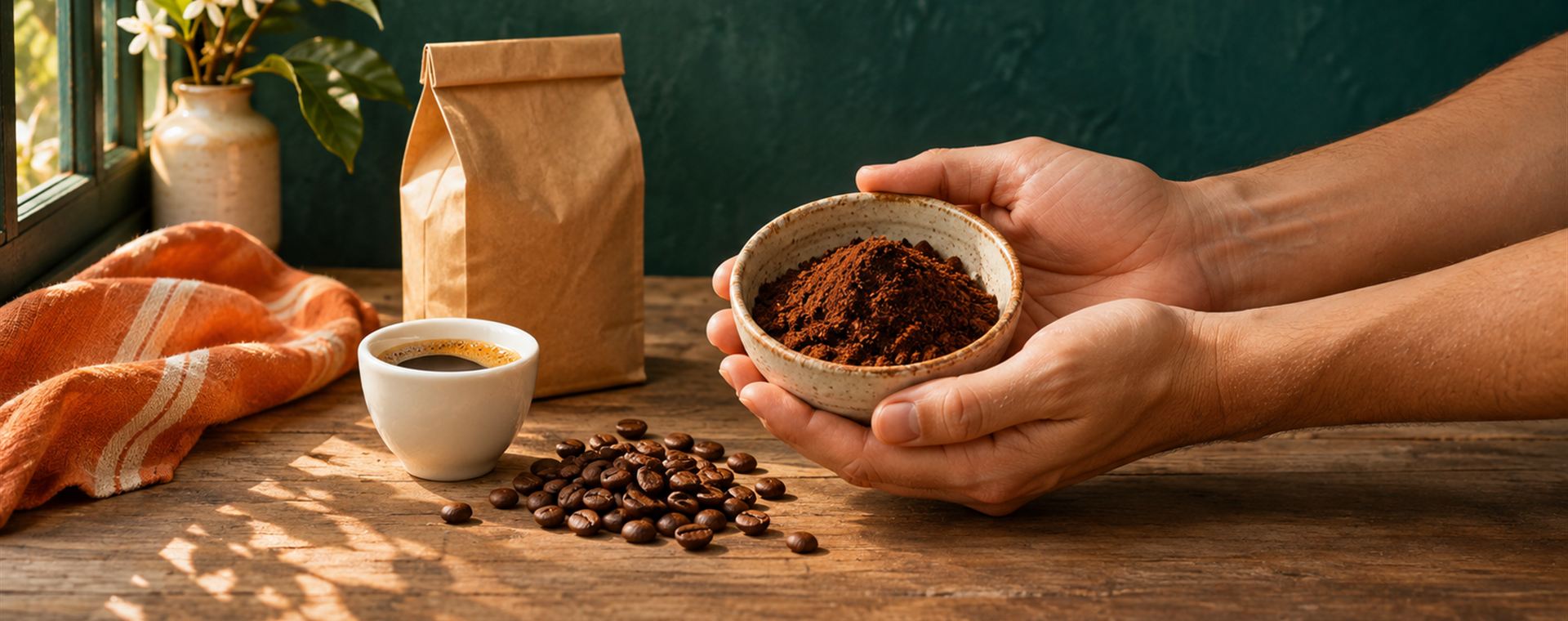
What Is Specialty Coffee and Why Choose It?
What if the coffee you drink every morning had far more to tell you than you imagined? We are used to judging coffee by its crema, body and intensity. But what if, as you taste it, you discovered notes of peach, honey, chocolate or red berries? No added flavourings: just coffee.
Welcome to the world of specialty coffee, where every cup can become a small discovery.
What "specialty" means
Specialty coffee is not a brand or a trend: it is a quality category. To earn the name, a coffee is tasted by qualified tasters following an international protocol called cupping, developed by the Specialty Coffee Association (SCA).
Each coffee receives a score out of 100, covering aroma, acidity, sweetness, body, balance and aftertaste. Only coffees scoring above 80 points, with very few defects in the green beans, can be called specialty. It is estimated to be a small share of the coffee produced worldwide.
For example, our Colombia Pink Bourbon from Finca El Pedregal has an SCA score of 87.
Not all beans are the same
Imagine two coffees grown thousands of kilometres apart. One recalls dark chocolate and hazelnut, with an enveloping sweetness. The other surprises you with floral aromas, citrus notes and freshness. How is that possible, if both are simply coffee?
The answer lies in nature and in people's work:
- Botanical variety. There are dozens of arabica varieties, each with its own character: Bourbon, Typica, Caturra, Geisha and many more.
- Altitude and climate. At high altitude cherries ripen more slowly and develop more sugars and aromas.
- Harvest. In the best farms cherries are hand-picked, only when ripe.
- Processing. Washed, natural or honey: how the bean is separated from the fruit changes the taste. More in washed, natural and honey coffee.
- Roasting. The roaster studies each coffee to bring out its character rather than mask it.
Traceability: knowing where it comes from
Commercial coffee is often an anonymous mix of different lots. Specialty coffee tells its story: the country, the region, sometimes the single farm and the name of the grower. The Pink Bourbon mentioned above comes from Finca El Pedregal in the Cauca region, grown by Neftalí Fajardo at 1,950 metres above sea level.
This transparency is part of quality: it lets you know what you are drinking and recognise the work of those who produce it.
Why it costs more
Think about what happens before the coffee reaches your cup:
- selective hand-picking, often in several passes on the same plant;
- controlled processing and drying;
- bean sorting and defect checks;
- tasting and evaluation all along the supply chain;
- roast trials to find the right profile for each lot.
These steps take time, skill and investment, and often mean fairer prices for growers. That is why specialty coffee costs more: not because it is exclusive, but because there is more work and more selection behind it.
To be honest: a high price alone does not guarantee a better coffee. Quality is confirmed by transparent information and, above all, by tasting.
What does it really cost per cup?
Let's do the maths. A 200 g bag of specialty coffee at €16 makes about 13 three-cup moka brews, or 25 espressos at 8 g each. That is between 40 and 65 cents per cup: less than a coffee at a café, for a carefully chosen and roasted coffee.
Do I need to be an expert to enjoy it?
No. You do not need a trained palate or professional equipment. Specialty coffee works beautifully in a home moka pot too.
- Do you like a full-bodied, sweet coffee with cocoa and nutty notes? There are specialty coffees for you, such as Brazilian ones: try Brazil Vila Boa ground for moka.
- Love discovering new aromas? A washed Ethiopian such as Nensebo Washed may surprise you with its floral character.
- Do you also care about who produces it and how? Slow Food Coffee Coalition coffees, such as Mexico Nahua, combine quality and attention to communities.
If you are not sure where to start, read whole bean or ground coffee.
Frequently asked questions
Are specialty coffee and gourmet coffee the same thing?
No. "Gourmet", "premium" or "selection" are unregulated marketing words anyone can use. "Specialty" means a coffee assessed with the SCA protocol and scoring at least 80 out of 100. A specialty coffee label usually states origin, variety, process and sometimes the score.
Is specialty coffee only arabica?
Almost always, because arabica has greater aromatic complexity. There are also high-quality robustas, assessed with dedicated protocols and called "fine robusta".
Does specialty coffee contain more caffeine?
No. Caffeine depends mainly on the species: arabica contains about half as much as robusta. A specialty coffee usually has as much as any regular arabica.
Can specialty coffee be used for espresso at home or in a café?
Yes. Many specialty coffees are roasted specifically for espresso. Just adjust the grind carefully, as lighter coffees may need a slightly finer setting.
How can I tell if I like specialty coffee?
Start with a coffee close to your usual taste, such as a sweet, full-bodied Brazilian, then try a more floral Ethiopian. Comparing two different coffees is the quickest way to find out what you prefer.
Our philosophy
At Tresessanta we believe every origin has an identity that deserves respect. That is why we select our coffees carefully and study the roast to express the best of each one. We do not want to convince you that a floral coffee is better than a chocolatey one: we want to give you the chance to discover, taste and choose.
Because the value of specialty coffee is not in what it costs, but in what it helps you discover, one cup at a time.
Posted in: Specialty Coffee: Origins and Processing
Related products

Ethiopia Nensebo – Washed Sidamo Gr.1
Price: €16.50
Washed microlot from Kasim Negeso, Nensebo (Oromia). 1800–2400 m, 32–36 h...
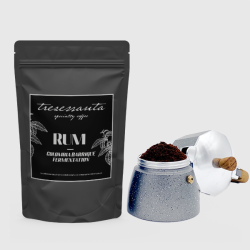
Colombia Barrique Rum Fermentation
Price: €28.49
A coffee fermented inside Rum barrels, with intense and precise characteristics.
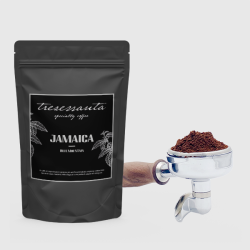
Jamaica Blue Mountain
Price: €40.99
We can define the best and best known Gourmet in the world as luxury in a cup.

Colombia Barrique Rum Fermentation
Price: €28.49
A coffee fermented inside Rum barrels, with intense and precise characteristics.

Colombia San Alberto – Women’s Coffee Project
Price: €11.00
Small plantations that produce high quality coffee where the farmers are a...

Colombia San Alberto – Women’s Coffee Project
Price: €11.00
Small plantations that produce high quality coffee where the farmers are a...
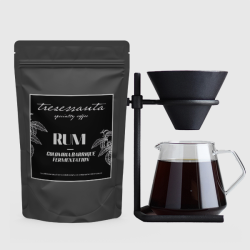
Colombia Barrique Rum Fermentation
Price: €28.49
A coffee fermented inside Rum barrels, with intense and precise characteristics.
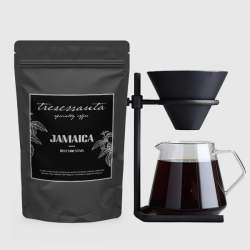
Jamaica Blue Mountain
Price: €40.99
Jamaica Blue Mountain is a premium Arabica grown in the renowned Blue...

Colombia San Alberto – Women’s Coffee Project
Price: €11.00
Small plantations that produce high quality coffee where the farmers are a...

Colombia San Alberto – Women’s Coffee Project
Price: €11.00
Small plantations that produce high quality coffee where the farmers are a...

Jamaica Blue Mountain
Price: €40.99
Jamaica Blue Mountain is a premium Arabica grown in the renowned Blue...
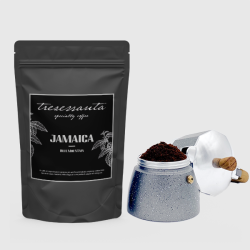
Jamaica Blue Mountain
Price: €40.99
Jamaica Blue Mountain is a premium Arabica grown in the renowned Blue...
Related posts
 Washed, Natural and Honey Coffee: All the Differences
How the bean is separated from the fruit changes the taste in the cup. How washed, natural and honey processes work...
Read more Swiss Water, CO₂ or Dichloromethane Decaf: What Changes?How is caffeine removed from coffee? Water, CO₂ and solvents compared: how they work, what remains in the bean and...
Read more Light, Medium or Dark Roast: What Changes in the Coffee?Acidity, sweetness, bitterness, body and caffeine: what happens to the bean during roasting and which roast to choose...
Read more